Ukraine’s Wartime Experience at the Heart of Training for European Municipalities in Tartu
What should a mayor do when the power goes out, communications become unreliable, hospitals switch to backup power, and hundreds of thousands of people need assistance at the same time? For Ukrainian cities, this is not a hypothetical scenario but a reality they have faced in recent years. For many European municipalities, these are questions they need to answer today.
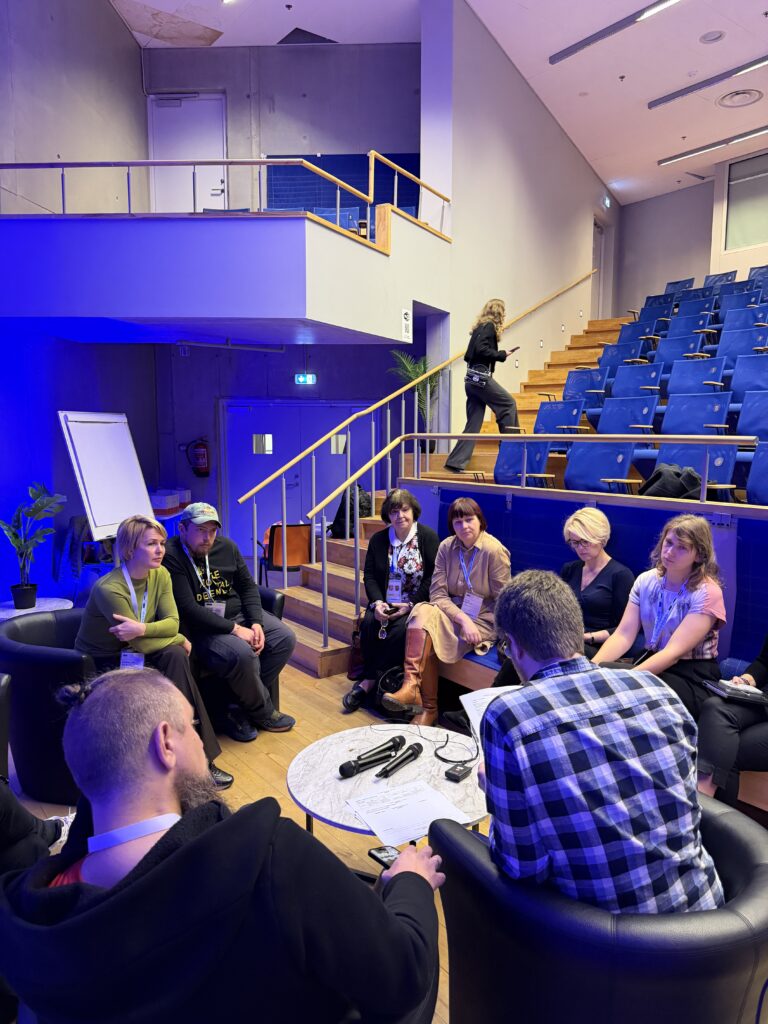
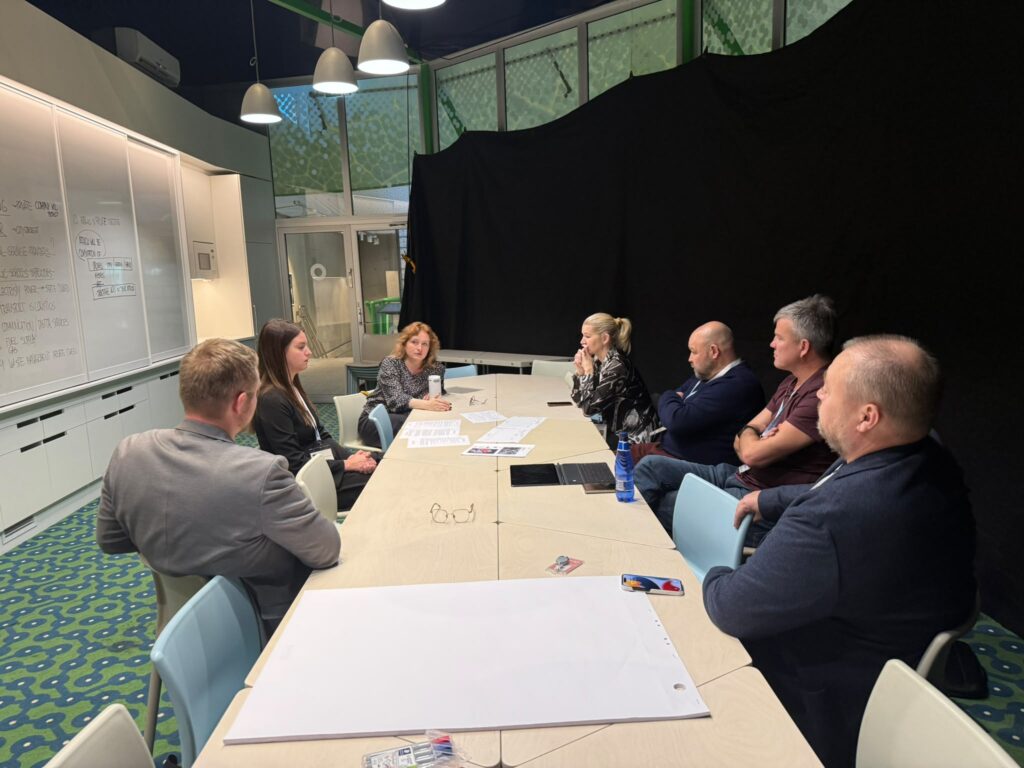
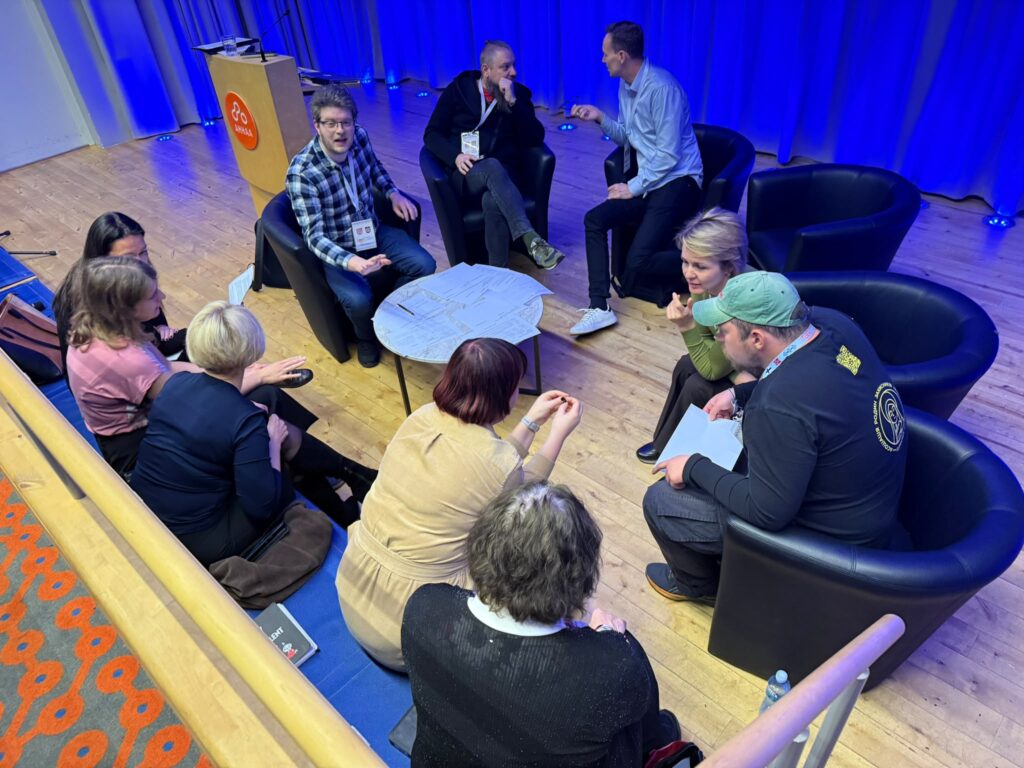
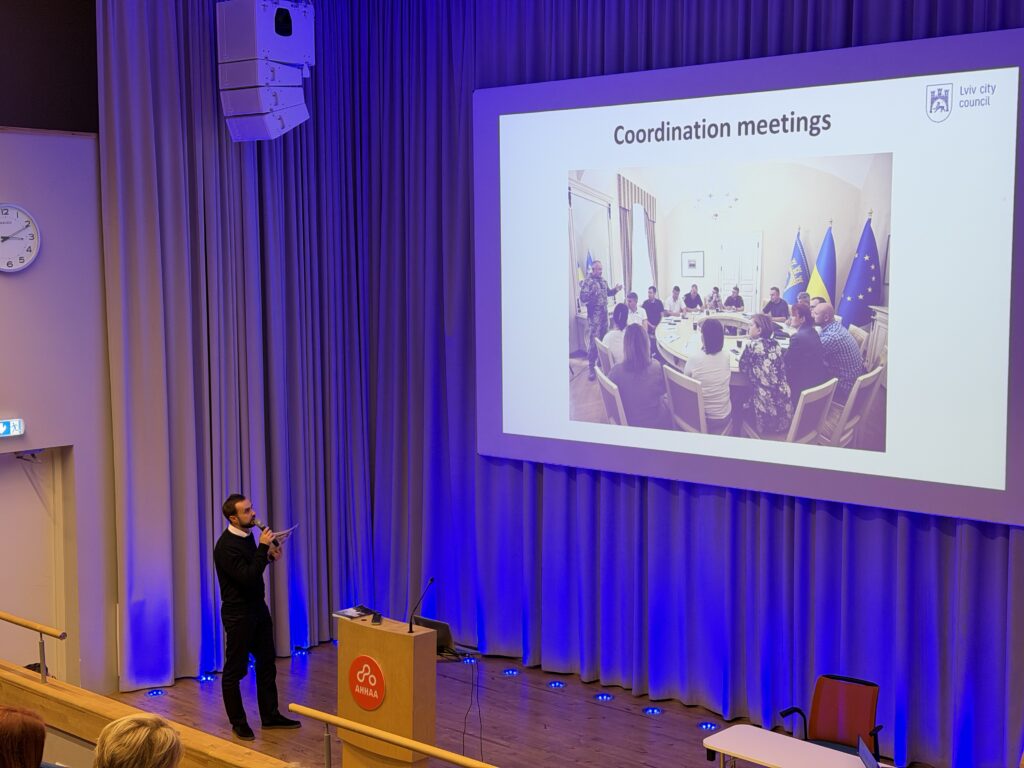
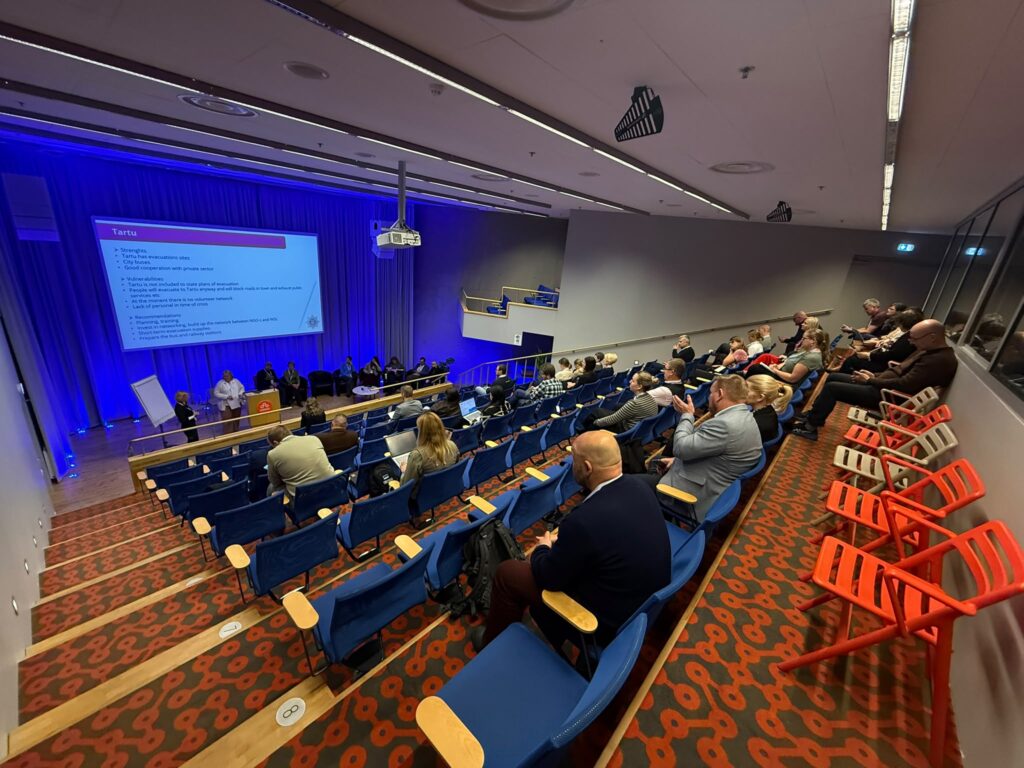
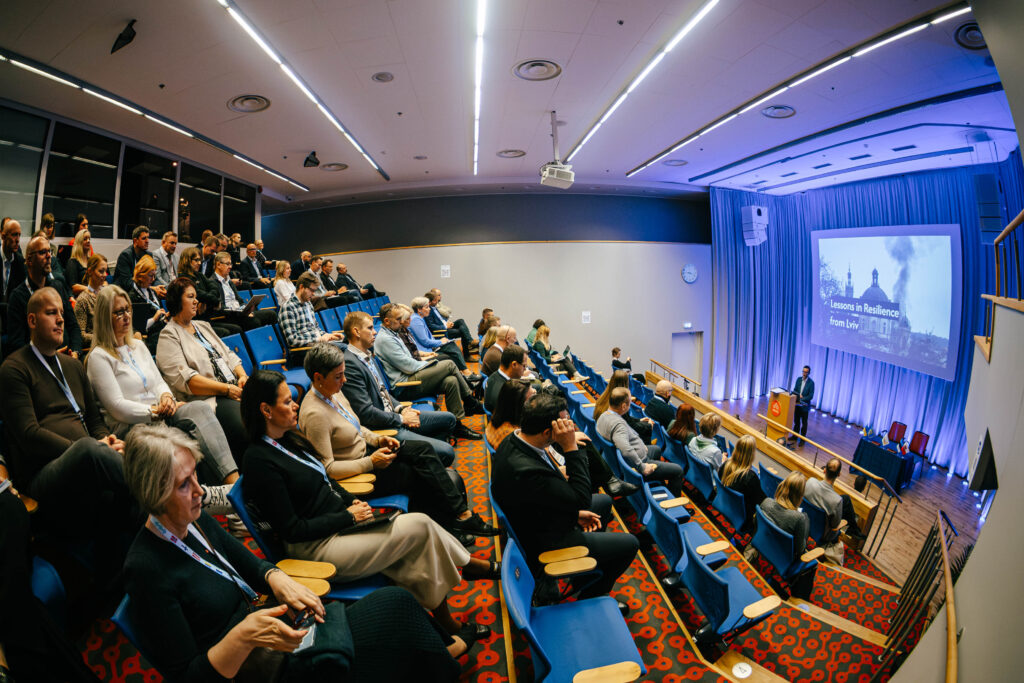
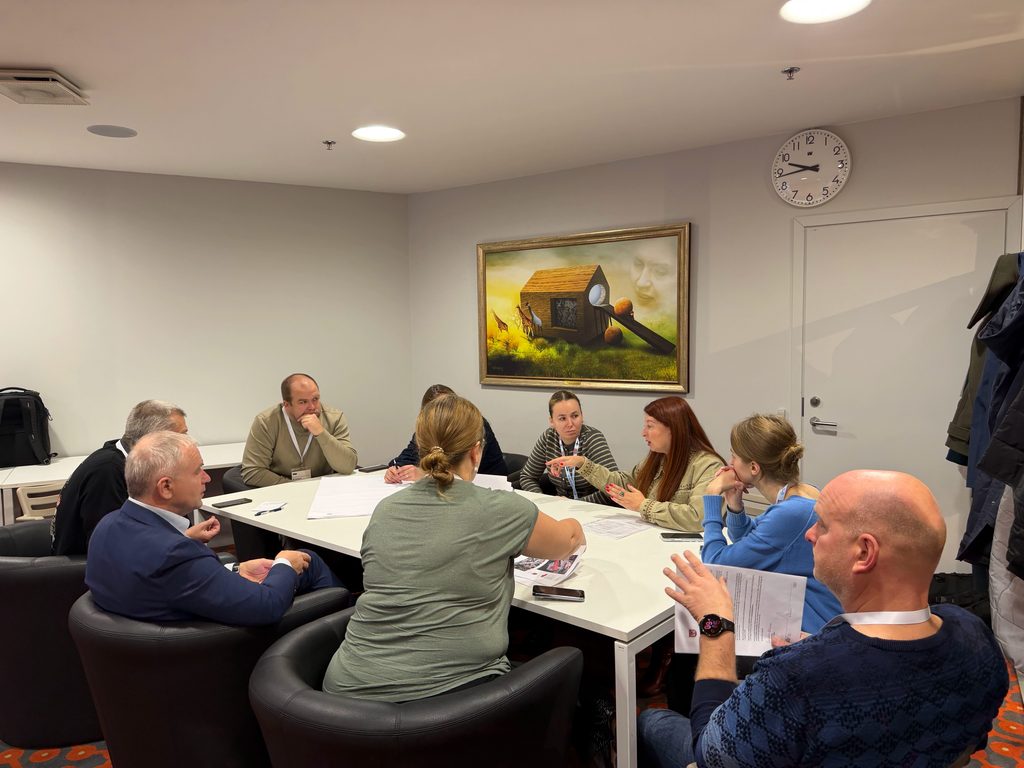
On 5–6 November, the international training seminar “Urban Resilience in Wartime: Lessons from Lviv for European Municipalities” took place in Tartu, Estonia, focusing on urban governance during wartime and large-scale crises.
A delegation from Lviv, led by Mayor Andriy Sadovyi, together with the UNBROKEN University team, shared practical experience of how municipal institutions have operated during Russia’s full-scale invasion.
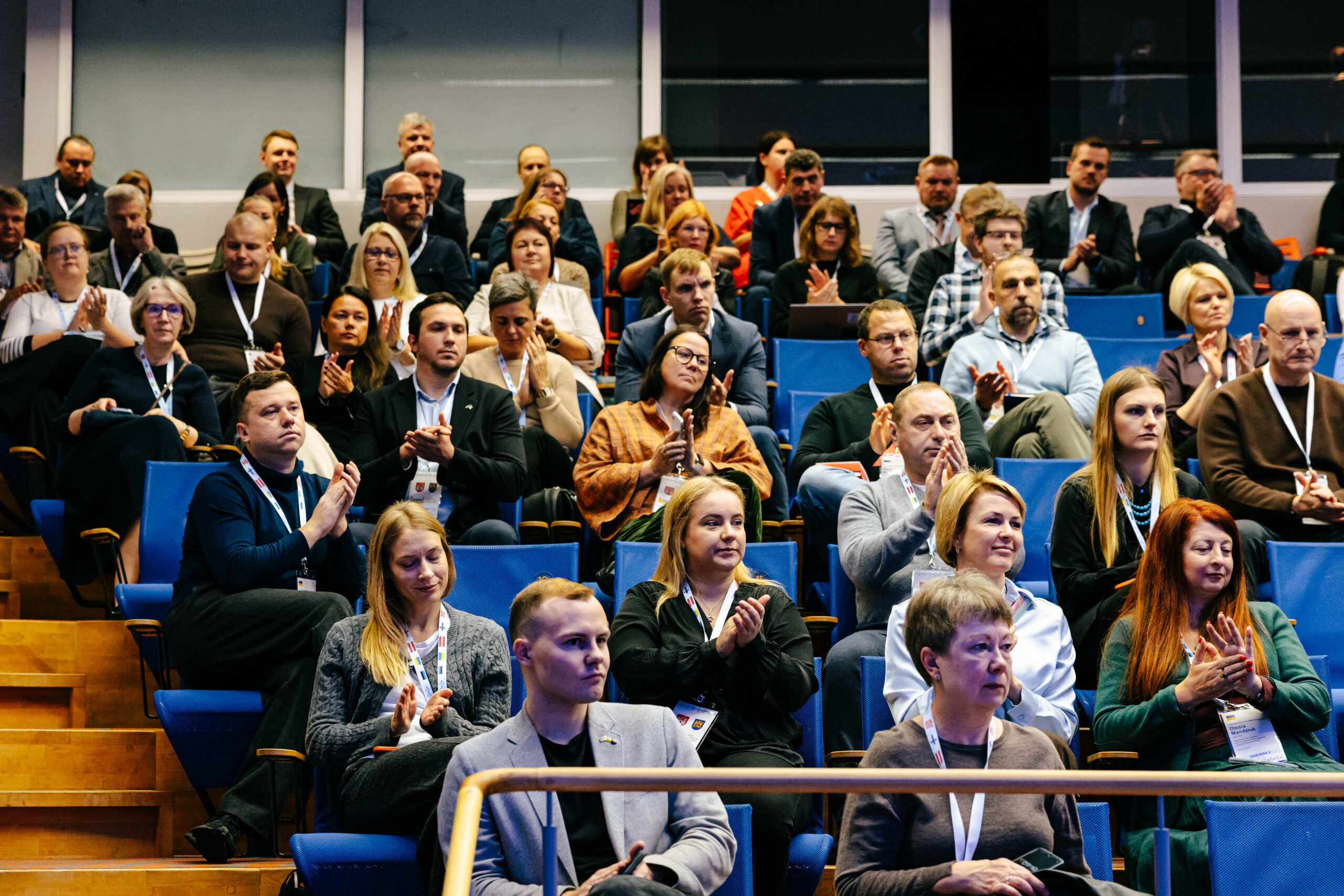
The seminar brought together representatives of municipalities, public institutions, crisis management experts and civil society organisations from Estonia, Finland, Sweden, Latvia and Norway.
Experience No Classroom Can Teach
Over nearly five years of full-scale war, Ukrainian cities have accumulated unique knowledge of municipal governance. How can critical infrastructure be kept operational under the constant threat of attack? How can cities accommodate hundreds of thousands of displaced people? How can they ensure the continuity of education, healthcare and social services? And how can they maintain residents’ trust when established governance mechanisms stop working?
These questions formed the basis of the training programme in Tartu.
“We tend to think that city authorities are responsible for roads, transport, schools and public utilities. The war has shown that their responsibility goes much further – it is about enabling a community to carry on when the familiar order collapses. We did not choose these challenges, but we have a duty to turn the experience we have gained into knowledge that will help other cities avoid our mistakes and prepare for the most difficult scenarios,” said Andriy Sadovyi, Mayor of Lviv.
Seminar participants explored crisis management, coordination between municipal services, communication with residents, countering disinformation, the organisation of healthcare, psychological support, assistance to internally displaced people and the mobilisation of volunteer resources.
Particular attention was paid to how relationships between municipal authorities, civil society organisations and residents change during crises.
From Ukrainian Solutions to European Preparedness
An important part of the seminar focused on how Ukrainian practices could be adapted by municipalities in Estonia and elsewhere in Europe.
After all, a city’s resilience is not determined solely by the number of generators it has, its fuel reserves or its evacuation plans. Equally important are the ability of institutions to make decisions quickly, cooperation between services, residents’ trust and people’s readiness to act together.
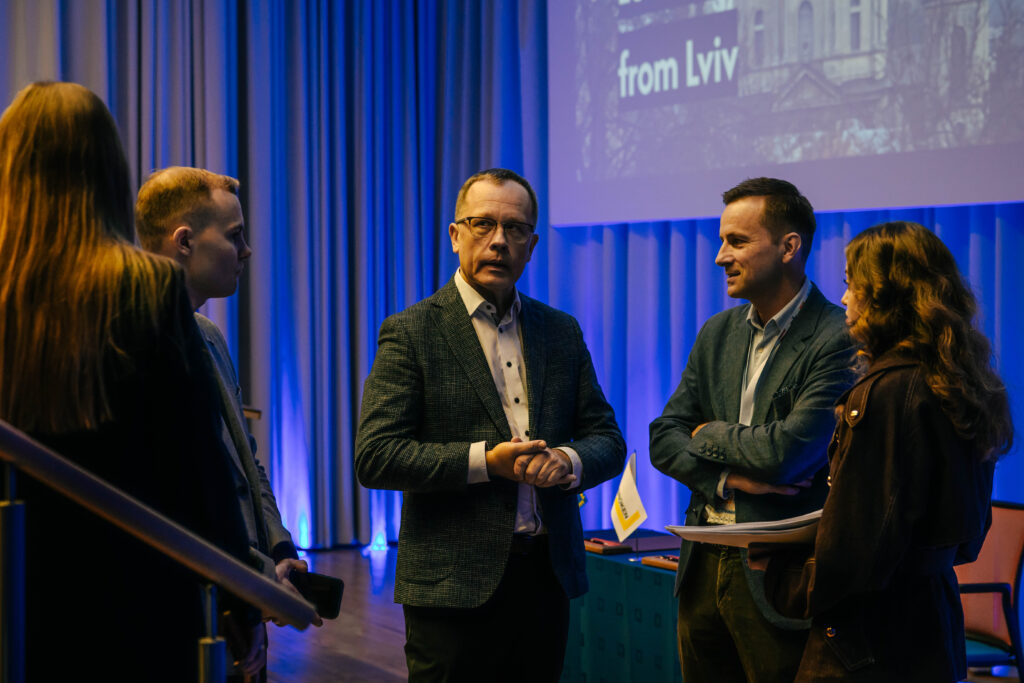
“Lviv has demonstrated extraordinary resilience and the ability to keep the city functioning even under the most difficult circumstances. Its experience is valuable to all of Europe. Joining the UNBROKEN Cities Network gives Tartu an opportunity to learn from Lviv and exchange knowledge on how to maintain municipal services and support people in challenging situations,” said Urmas Klaas, Mayor of Tartu.
A University Where Practice Becomes Knowledge
For UNBROKEN University, the seminar in Tartu is part of a broader effort to develop a new model of education for municipal leaders.
The School of Municipal Governance at UNBROKEN University is working to systematise and study the experience of Ukrainian communities and turn it into educational programmes for municipal leaders in Ukraine and abroad.
This is not only about sharing successful solutions. It is equally important to understand why some institutions prove resilient to crises while others do not; how trust develops between people and public authorities; and what enables communities to move from individual survival to organised collective action.
“Resilience is not a quality that a city either has or does not have. It is a capacity that can be developed. And writing a crisis plan and leaving it in a drawer is not enough. We need to train people to make decisions under uncertainty, stress-test institutions, simulate difficult scenarios and learn from mistakes. We want Ukraine’s experience to form the foundation of a new European school of municipal resilience,” said Ostap Protsyk, Director of the School of Municipal Governance at UNBROKEN University.
Tartu Becomes the 23rd City to Join the UNBROKEN Cities Network
One of the key outcomes of the meeting was Tartu’s accession to the international UNBROKEN Cities Network. The memorandum was signed by the mayors of the two cities, Andriy Sadovyi and Urmas Klaas.
Tartu became the network’s 23rd member. The network brings European cities together for practical cooperation on resilience, crisis management and community support.
Lviv and Tartu already have a long history of partnership, particularly in education, healthcare and support for Ukrainians during the war. This new stage of cooperation will strengthen the exchange of governance knowledge and crisis preparedness practices.
The UNBROKEN Cities Network is operated by the School of Municipal Governance at UNBROKEN University.
The experience of Ukrainian cities is gradually reshaping the European conversation about security. The question is no longer only how to help Ukrainian communities withstand crises. Increasingly, it is also what Europe can learn from Ukrainian cities to prepare for challenges of its own.